Is Mumbai Finally Ready for Mainstream Car Rentals? What the Data and Daily Commuters Say
May 05, 2026
PNN
New Delhi [India], May 5: Mumbai's travel habits are changing, but not in a simple car-versus-train way. The city is becoming more multimodal, more time-sensitive, and more uneven across neighbourhoods. That is why the question around car rental in Mumbai is no longer whether the model can exist. The real question is whether it can evolve into an everyday mobility choice without conflicting with how people already commute.
What Mainstream Really Means
Mainstream does not necessarily mean replacing public transport. It means becoming a normal, trusted option for a clear set of trips. That includes trips where fixed routes do not work well, where timing matters more than price, or where door-to-door convenience has greater value. For this to become mainstream here, it would need to fit around the city's dominant travel spine rather than compete head-on with it.
What the Mobility Data Already Shows
The city's own mobility data suggests that it is still, at its core, a public transport city. The Greater Mumbai Comprehensive Mobility Plan recorded 61.2% of daily motorised trips on public transport in the base year, with suburban rail alone accounting for 37.2% and buses 21.9%. The same document also noted that private vehicle share had risen to 26.4%, while the fall in public transport share was seen as a concern.
Ownership data also matters. Maharashtra's 2024-25 transport statistics show roughly 14.57 lakh cars in Mumbai, against a total vehicle population of about 51.34 lakh and a two-wheeler base of over 30.44 lakh. It has many four-wheeler users, but not so many that private car ownership can be seen as the best or usual option for everyone in the city.
Why Commuters May be More Open to On-Demand Vehicles
Commuters in Maharashtra usually choose the option that saves time and works well for the full journey. The city's mobility plan explains that taxis and auto rickshaws help people connect to the main public transport network and make trips easier where fixed routes are limited. This suggests that multi-modal commuting is already common among daily travellers.
Recent metro growth adds another layer to that pattern. MMRDA reported that Metro Lines 2A and 7 crossed 200 million passenger journeys in 39 months, and later reported daily ridership above 3.01 lakh on those lines, prompting an increase in services. That suggests commuter behaviour is becoming more network-based, not single-mode.
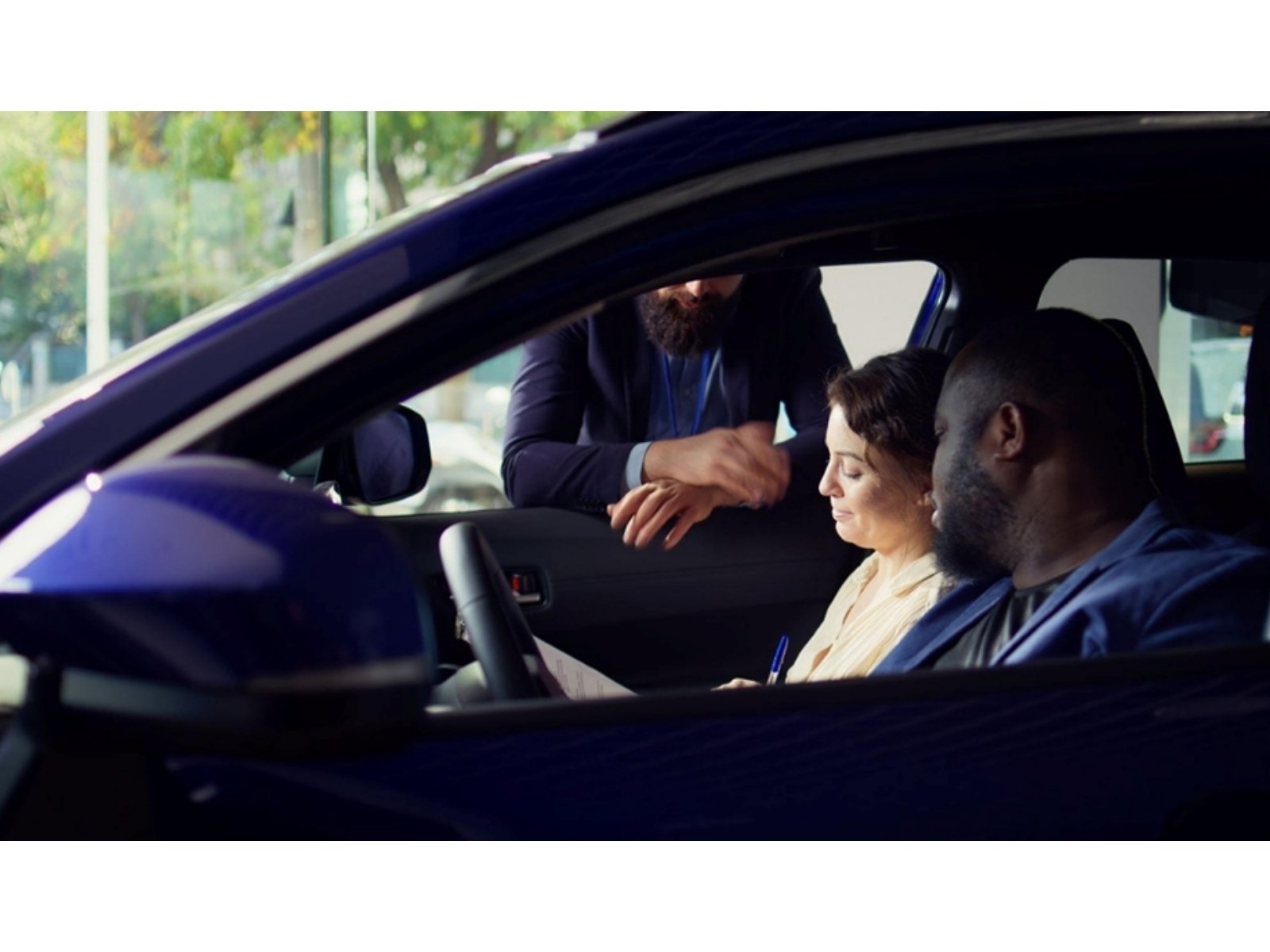
That matters here. A car on demand may fit best not as a daily substitute for suburban rail, but as a flexible add-on for late-evening returns, cross-suburb movement, airport access, family trips, or routes where transfers are inefficient. In a city where public transit still carries the bulk of demand, the strongest case lies in flexibility, not volume.
What Still Holds the Market Back
The growth of car rentals in Mumbai depends on how naturally they fit into the city's daily travel needs. Convenience, accessibility and ease of use are likely to play an important role in how people view this option. As travel patterns continue to vary across the city, rentals may become more relevant for journeys where flexibility matters more.
This also means that wider acceptance will depend on how smooth and dependable the rental experience feels in everyday use. For many commuters, convenience does not end with availability alone. It also includes ease of booking, simple pick-up and drop-off, clear terms, and a trip experience that feels comfortable and manageable. Since trip conditions vary across areas, the relevance of rentals may grow differently depending on the type of journey.
Is Mumbai Finally Ready
The data suggests that it is becoming ready for mainstream rentals, but in a limited and city-specific way. The city still depends heavily on mass transit, and that is unlikely to change quickly. At the same time, rising congestion, growing multimodal travel, expanding metro use, and the limits of universal car ownership all point to a stronger role for temporary four-wheeler access.
That does not look like a full shift to cars. It looks more like rentals becoming a recognised layer in the city's mobility mix, especially where fixed-route travel leaves gaps. The opportunity appears real, but it is narrower and more conditional than the word mainstream may first suggest.
Disclaimer: This article is for general informational purposes only and is based on publicly available transportation trends and commuter patterns, which may change over time.
(ADVERTORIAL DISCLAIMER: The above press release has been provided by PNN. ANI will not be responsible in any way for the content of the same.)