Rising exposure to extreme heat and droughts poses growing risks to economies, OECD finds
Nov 06, 2026
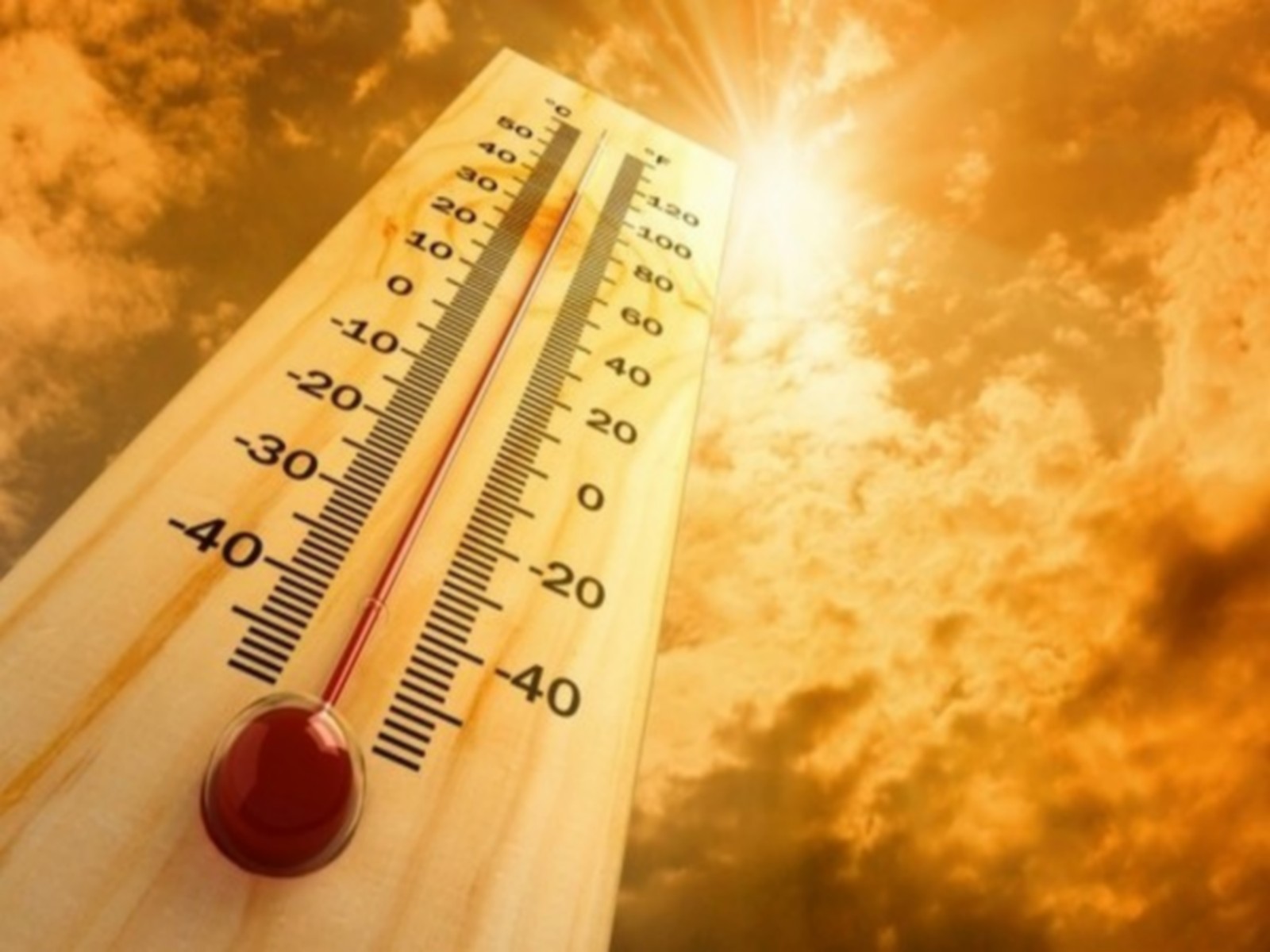
Paris [France], November 6: The number of days with above-average temperatures worldwide has more than doubled since the early 1980s, while declining soil moisture is raising risks for agricultural production and global supply chains, according to a new OECD report.
The Climate Action Monitor 2026 finds that the global number of days with above-average temperatures has increased by 126%, with particularly pronounced increases in Latin America and the Caribbean, Sub-Saharan Africa, and the Middle East and North Africa, where the number has more than tripled.
About half of the population in OECD countries is exposed to hot days (temperatures exceeding 35°C) annually. Between 2021 and 2025, populations in OECD countries experienced 35% more heat stress days than during the 1981-2010 climate baseline equivalent to an additional 17 days per year on average. These extreme weather events affect livelihoods, ecosystems and economic activity with adverse health impacts, loss of life, displacement and disruptions to transport, energy, water and agricultural systems.
Cropland soil moisture across OECD member and partner countries was 2.6% lower on average in 2021-2025 than in 1981-2010, highlighting growing risks to agricultural water availability. Declining soil moisture affects major agricultural producers and exporters, with potential consequences for food security and global supply chains.
Drought can also disrupt energy production: low river flows and high-water temperatures can constrain nuclear power generation, while reduced water availability can affect hydropower output. Low river levels can restrict inland navigation and major shipping routes, increasing transport costs and disrupting trade.
Strengthening adaptation can help limit economic disruption and protect vulnerable populations. With drought severity projected to increase by 2100, businesses and governments are already taking steps to strengthen resilience. Companies are diversifying transport options and strengthening supply chains to cope with drought-related disruptions, while heat action plans are being developed to reduce risks to human health
Source: Emirates News Agency