Passenger numbers to double by 2045: Airbus
Jul 09, 2026
London [UK], July 9: The European aircraft manufacturer Airbus said on Wednesday it expects air traffic to continue to grow over the next two decades, predicting that the number of passengers will double to around 10 billion people a year by 2045, based on an average growth rate of 3.9 percent.
Similar estimates have already been published by the International Air Transport Association (IATA).
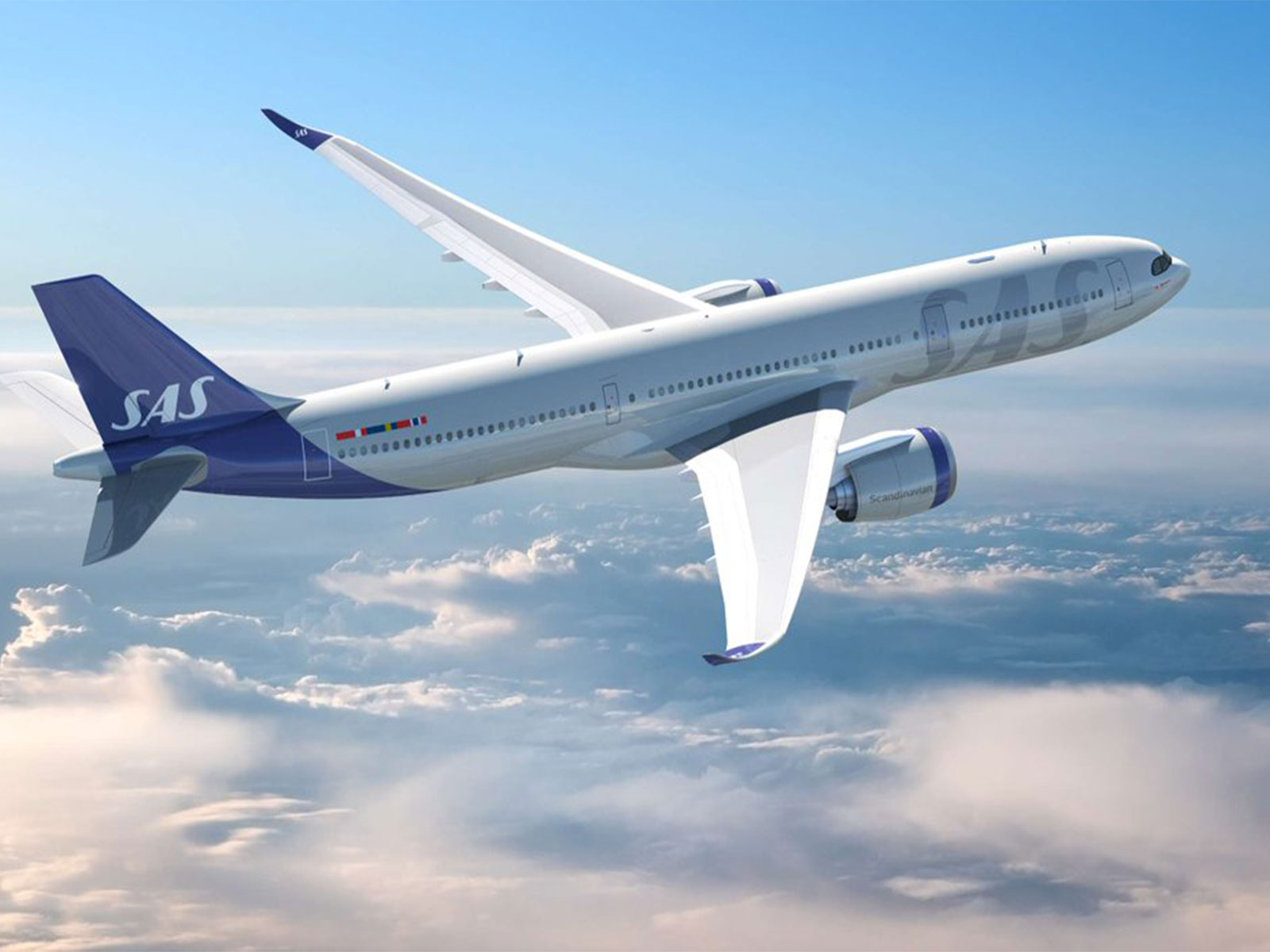
Airbus, a competitor to Boeing, expects demand for more than 42,000 planes over this period, of which just under half (19,820) would be needed solely to replace existing jets and 22,240 aircraft would be earmarked for growth, according to its global market outlook.
Around 19 percent of the new fleet would need to be wide-body aircraft, it said.
The drivers of demand are said to be urbanization, economic growth and a growing middle class.
Airbus believes air travel will be organized in a more decentralized manner in future as it is primarily smaller towns rather than major cities that are growing.
It also sees the emergence of new connections between medium-sized towns away from major hubs.
Fuel-efficient short and medium-haul jets are therefore expected to remain in particularly high demand. The manufacturer pointed to its own order book, which currently stands at more than 9,000 aircraft.
Source: Qatar Tribune