New genetic method improves mosquito sex separation to advance disease control
Dec 18, 2025
Jerusalem [Israel], December 18: Israeli, German, and French researchers have developed a new genetic method that makes it easier to separate male and female mosquitoes, an essential step for large-scale mosquito control programs, the Hebrew University of Jerusalem said in a statement on Wednesday.
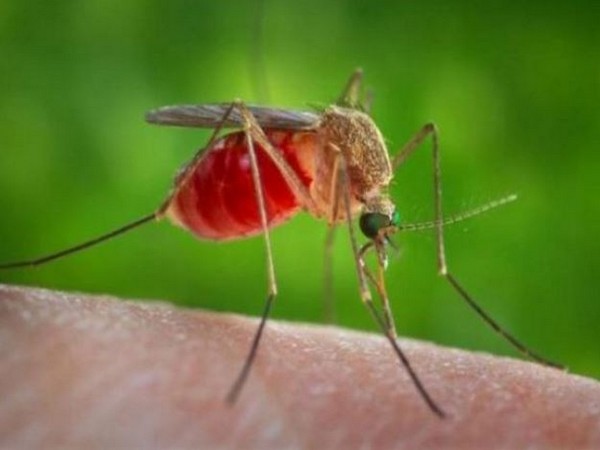
These programs release only sterile males into the wild to curb the spread of dangerous diseases such as Dengue, Zika, and Chikungunya, making the removal of females essential since only females bite humans and transmit disease.
The new method, published in Nature Communications, uses gene editing to make male mosquitoes dark and female ones pale, creating a clear visual difference that allows faster and more accurate sorting, helping to overcome a major challenge in mosquito control programs.
Current sex-separation methods rely on size differences in young mosquitoes, which are slow, labor-intensive, and occasionally allow biting females to slip through.
In the new study, the researchers used gene-editing technology CRISPR to disrupt a gene responsible for yellow pigmentation. They restored normal dark coloring only in males by combining the yellow gene with a "master switch" called nix, which can convert females into fertile males.
This produced a stable strain where all males are dark, and all females remain yellow.
The study also found that eggs laid by yellow females dry out quickly, acting as a natural safety mechanism, so even if a few females escape, their eggs will not survive in the wild.
The researchers said this safe and scalable approach could overcome one of the biggest challenges in mosquito control and help develop next-generation tools to fight mosquito-borne diseases.
Source: Xinhua