Jellyfish 'surround' forces French nuclear power plant to shut down
Aug 12, 2025
Paris [France], August 12: Four reactors at France's Gravelines nuclear power plant were shut down after jellyfish got into the water filtration system of pumps used to cool the reactors.
French energy giant EDF said on August 11 that nuclear reactors 2, 3 and 4 at Gravelines automatically shut down just before midnight on August 10 when the pumping station's filtration system was covered by a "huge and unexpected" swarm of jellyfish . Reactor 6 also stopped operating a few hours later, according to Reuters.
The agency said the incident did not affect the safety of the plant, nor the safety of employees or the surrounding environment. EDF said it was not yet clear which species of jellyfish was involved in the shutdown of the nuclear reactors. EDF staff were working to safely restart the reactors.
"Units in the plant have been mobilized and are reviewing and intervening to restart the units in an absolutely safe manner," EDF added.
Reuters quoted a source familiar with the matter as saying that the filter pump was not damaged and needed to be cleaned, adding that the reactor would be able to restart quickly.
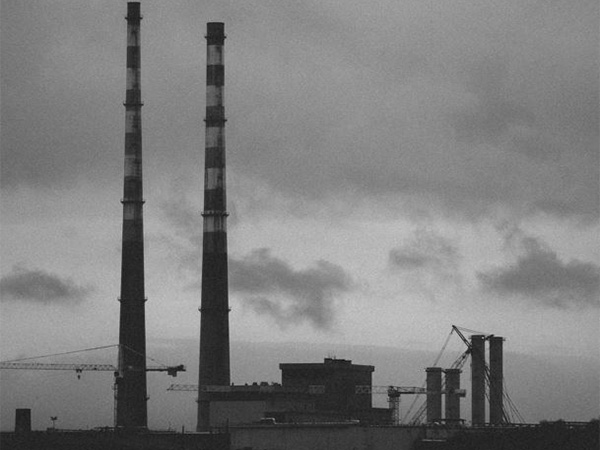
The Gravelines plant in northern France is one of the largest in the country and is cooled by a canal that connects to the North Sea . It has six reactors, each with a capacity of 900 MW.
The beaches around Gravelines, located between the major French cities of Dunkirk and Calais, have seen an increase in jellyfish numbers in recent years due to warming waters and the introduction of invasive species.
"Jellyfish reproduce faster when the water is warmer, and as areas like the North Sea get warmer, the breeding season is getting wider," said Derek Wright, a marine biologist at the National Oceanic and Atmospheric Administration. "Jellyfish can also attach themselves to oil tankers and get into their holds."
Source: Thanh Nien Newspaper