Infection Prevention in Aesthetic Surgery Why Patient Selection, Environment and Protocol Matter
Oct 26, 2026
VMPL
Thiruvalla (Kerala) [India], October 26: As interest in elective aesthetic and body-contouring procedures continues to grow across India and the GCC, patient safety has moved to the centre of the conversation. Procedures such as VASER liposuction, body contouring, gynecomastia correction and breast surgery depend on more than technical skill. They depend on who is selected for surgery, how the surgical environment is controlled, and how carefully patients are monitored afterwards.
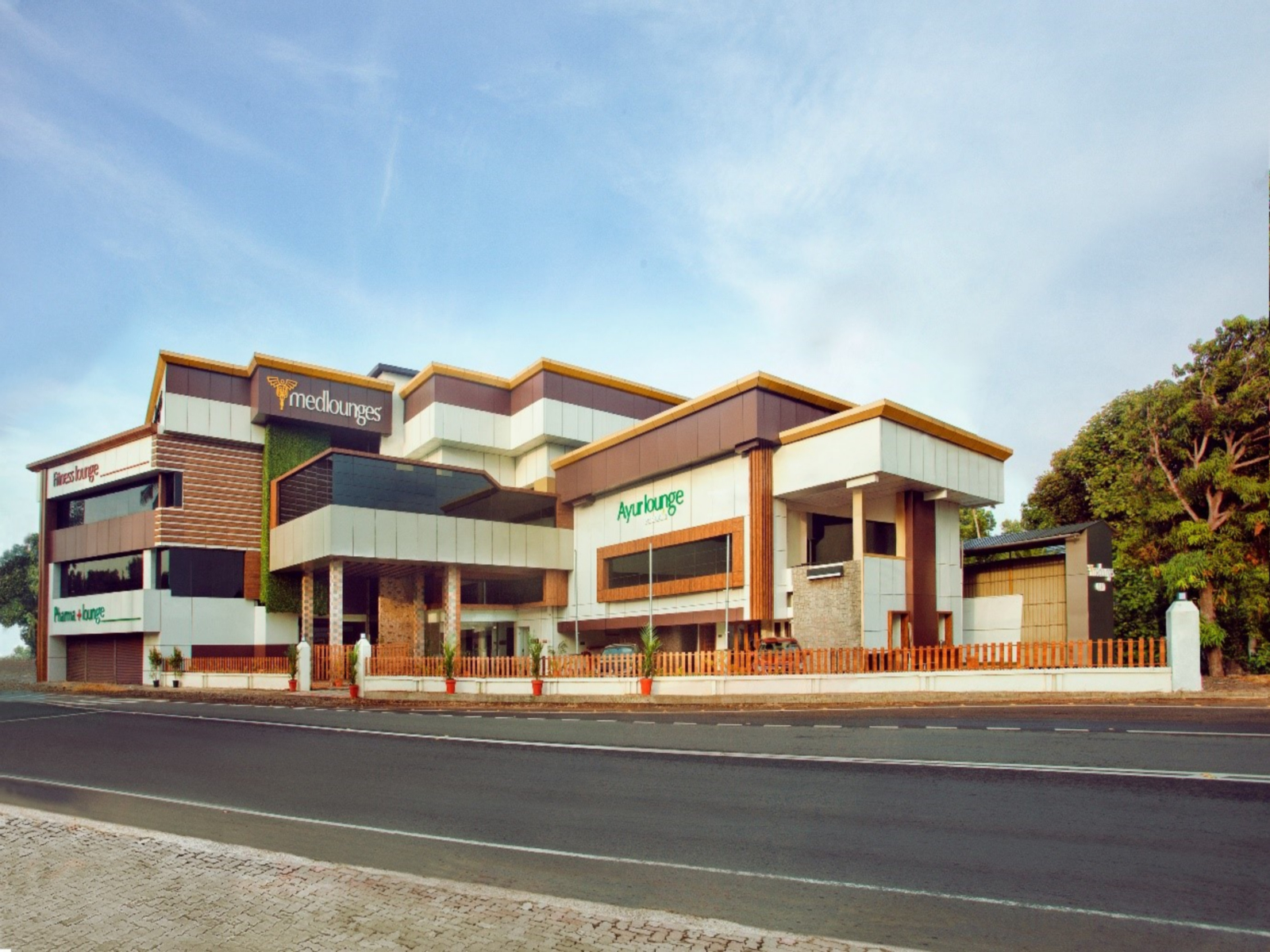
At Medlounges Hospital in Thiruvalla, Kerala — one of South India's leading accredited boutique aesthetic hospitals — the General and Cosmetic Surgery Department has built its protocols around these three pillars. The hospital holds NABH accreditation (2022–2024) and serves patients from across Kerala, other Indian states and the GCC.
Why the surgical environment matters
Global clinical literature has consistently reported that nosocomial, or hospital-acquired, infection rates are substantially lower in specialised aesthetic boutique hospitals than in traditional general hospitals. This is not a marketing claim; it is a structural difference.
General acute-care hospitals are essential for treating severe illness. But their multi-use environments also host dense populations of unwell patients and, with them, aggressive and multi-drug resistant pathogens. Aesthetic boutique hospitals operate differently. They limit admissions to healthy, pre-screened elective patients, which reduces exposure to virulent organisms such as MRSA and Pseudomonas. They reduce environmental traffic. They limit antibiotic selective pressure. And they typically deploy smaller, highly specialised surgical teams working within a narrow procedural scope.
What the international data shows
The statistical divide reported in the literature is significant.
* General hospital surgical wards (Lancet global review) | 9.3% – 17.2%
* Academic hospital, clean plastic surgery (St. Joseph’s Healthcare, 10-year audit) | 0.79%, peaking at 1.4%
* Office-based and boutique plastic surgery (Nazarian Mobin et al., >5.5 million procedures) | 0.06%
* European private outpatient cosmetic suites | approximately 0.08%
Taken together, the international literature reports infection rates in dedicated aesthetic settings that are up to tenfold lower than those reported in general surgical wards.
A peer-reviewed study published in the Canadian Journal of Plastic Surgery examined surgical-site infections following plastic surgery at St. Joseph's Healthcare Hamilton in Canada. Researchers reviewed 12,183 plastic surgery operations performed between 2003 and 2013 and identified 96 reported surgical-site infections, giving a net rate of 0.79%. The same study reported a rate of 0.49% for implant-based procedures during the period for which those data were available. The authors noted that the findings were institution-specific and included surgeon-reported infections.
These figures are drawn from different study populations, procedure mixes and follow-up periods, and should be read in that context. What they illustrate consistently, however, is a pattern: controlled, single-purpose surgical environments with carefully selected patients report markedly lower infection rates than busy general wards.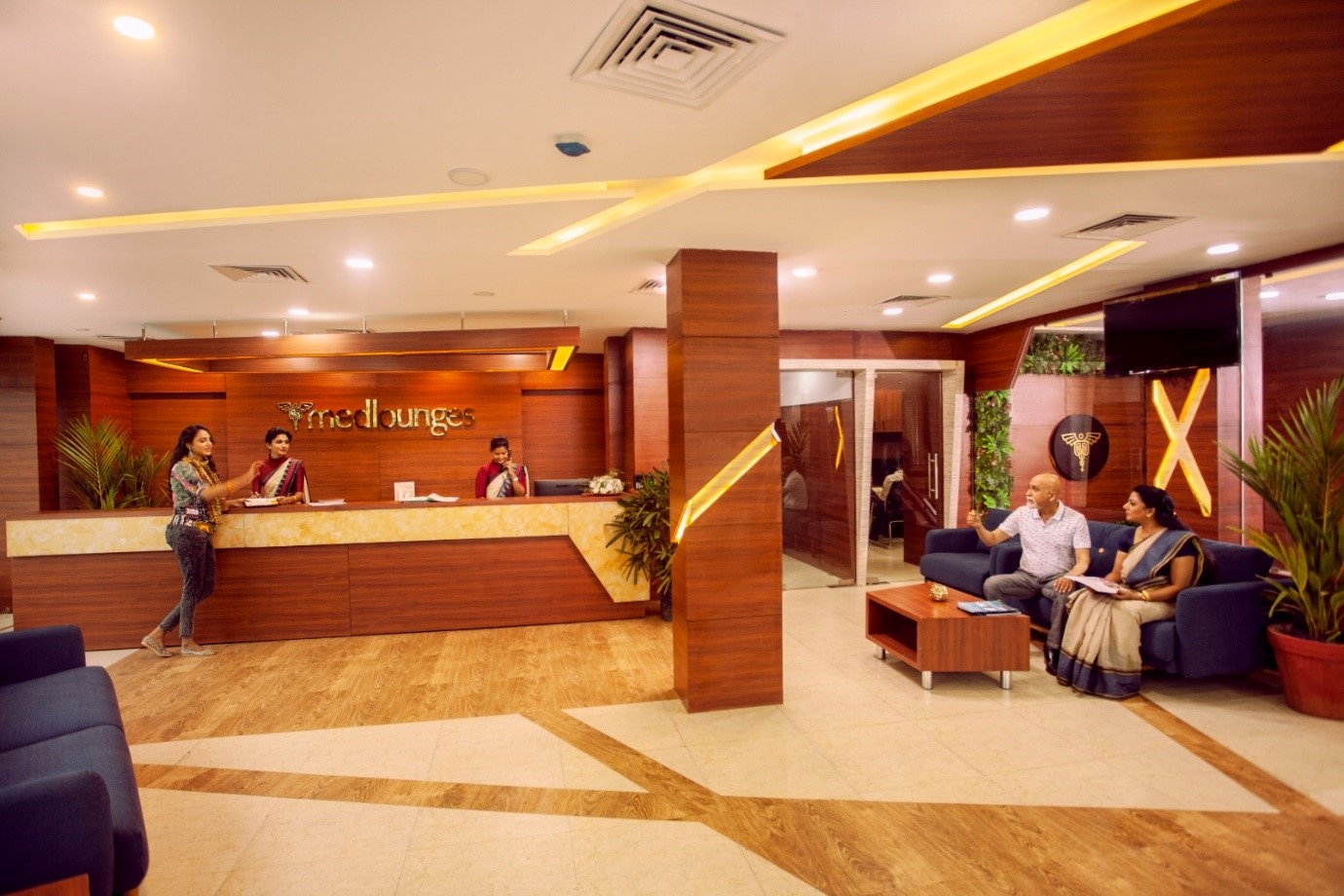
Prevention begins before the patient enters theatre
Elective surgery offers something emergency surgery does not — time. Time to assess whether a patient is an appropriate candidate. Time to review medical history, existing conditions, medication use and previous procedures. Time to identify circumstances in which surgery should be delayed, additional evaluation is required, or a different approach would serve the patient better.
At Medlounges, this pre-operative assessment is treated as a clinical decision point, not a formality. Patients undergo a structured workup covering blood investigations, cardiac and pulmonary fitness where indicated, and anaesthetic review before any procedure is confirmed. Where a patient's health profile suggests additional risk, the surgical plan is adjusted or deferred.
Infection prevention continues through the procedure itself. Measures include hand hygiene, sterilisation and disinfection, environmental cleaning, safe instrument handling and adherence to established surgical protocols. The specific measures depend on the procedure and clinical circumstances.
Recovery is part of the safety equation
After surgery, wound-care instructions and scheduled follow-up remain central. Patients need to understand how to care for the surgical site, which activities to avoid, when to attend reviews, and which symptoms require prompt medical attention. Increasing pain, spreading redness, fever or unusual discharge should be assessed by a qualified clinician without delay.
At Medlounges, post-operative review is planned as part of the surgical pathway rather than added afterwards. Patients travelling from outside Kerala receive clear escalation instructions before they return home.
Accreditation and accountability
Accreditation offers patients an independent reference point. Medlounges Hospital holds NABH accreditation for 2022–2024, reflecting adherence to national standards for patient safety, infection control and clinical governance. Patients considering aesthetic surgery can verify accreditation status, review the clinical team's qualifications, and ask about infection-control practices and follow-up arrangements directly with the hospital.
A note on how to read statistics
Comparisons between hospital types require equivalent patient groups, comparable procedures, consistent infection definitions and similar follow-up. No single figure should be treated as a universal benchmark. What the literature does support is a clear directional conclusion: appropriate patient selection, a controlled surgical environment and disciplined protocol reduce avoidable risk in elective aesthetic surgery.
"Patient safety is not determined by the procedure alone. It depends on the decisions made before surgery, the protocols followed during the operation, and the attention given to recovery," says the clinical team at Medlounges Hospital, Thiruvalla. "Our boutique model allows us to select patients carefully, control the surgical environment and monitor recovery closely. That structure is the reason we emphasise it."
Key takeaways
* International studies report surgical-site infection rates in dedicated aesthetic settings that are up to tenfold lower than in general surgical wards.
* Much of this difference is structural: patient selection, controlled environments and specialised teams.
* Pre-operative assessment is a clinical decision point that can change or defer a surgical plan.
* Post-operative monitoring and clear escalation instructions are part of infection prevention, not separate from it.
* Accreditation status and infection-control practices are reasonable questions for any patient to ask.
Frequently asked questions
Are boutique hospitals safer than general hospitals for cosmetic surgery?
They are structurally different. Boutique settings limit admissions to healthy elective patients and reduce exposure to hospital-acquired pathogens, which the literature associates with lower reported infection rates. General hospitals remain essential for complex and emergency care.
What does the 0.06% figure refer to?
It is the infection rate reported by Nazarian Mobin and colleagues in a study of more than 5.5 million office-based and boutique plastic surgery procedures.
Can infection still occur in a boutique hospital?
Yes. No surgical setting can eliminate every risk. Individual health factors, procedure type and healing response all influence outcomes.
What should patients ask before booking?
Ask about the clinical team's qualifications, the facility's infection-control practices, the proposed procedure, possible complications and the follow-up plan.
About Medlounges Hospital
Medlounges Wellness Boutique Hospital is based in Thiruvalla, Kerala, with NABH accreditation (2022–2024). It has a dedicated General and Cosmetic Surgery Department offering VASER liposuction, body contouring, gynecomastia correction and breast surgery, and serves patients from Kerala, other Indian states and the GCC. Information about the clinical team, procedures and current accreditation status is available at www.medlounges.com.
This article is provided by the General and Cosmetic Surgery Department, Medlounges Hospital, Thiruvalla, Kerala. It is for general information only and does not replace a personal consultation with a qualified cosmetic surgeon.
(ADVERTORIAL DISCLAIMER: The above press release has been provided by VMPL. ANI will not be responsible in any way for the content of the same.)