How Hannah Montana became an unexpected icon for marginalized kids
Mar 28, 2026
New York [US], March 28: On a cool, wintry afternoon in early March, a crowd of people streamed towards New York's Washington Square Park for a Miley Cyrus lookalike contest.
Many in the audience were die-hard Hannah Montana fans, including Iranian-American cousins, Sophia, 23, and Ariana Parizadeh, 22.
Growing up the children of immigrants in strict households, they remembered childhoods spent secretly watching Hannah Montana's double-life unfold, her days split between being a regular girl and a pop star, and how it reminded them of their own lives as they navigated home life and school.
"Going between home and school, I felt like I had to code switch," Sophia said.
At home, she and her cousin spoke Farsi, and were encouraged to become doctors or lawyers.
At school, they spoke English and tried to fit in like any other child.
"I felt there were different personality traits of mine that came to light in both situations," she said, recalling summers spent in Iran.
"Coming back here when school started, I was also a different version of myself."
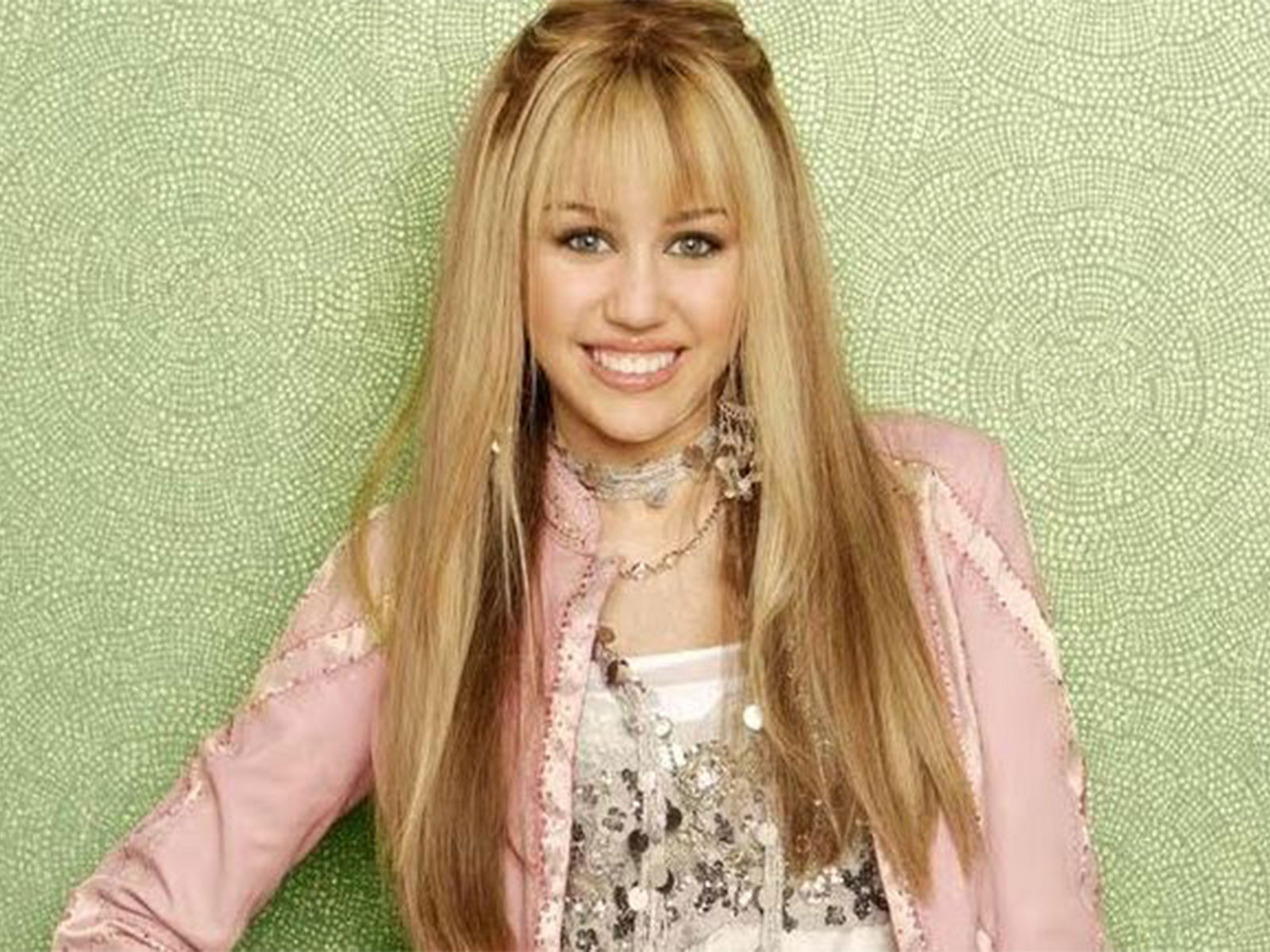
Disney Channel's "Hannah Montana" debuted in 2006, and millions of children were forever changed by the tween girl with Tennessee roots secretly leading a double life as an international pop star in Malibu.
A 20th anniversary special, starring a now 33-year-old Miley Cyrus, debuted Tuesday on Disney+.
Had the show been made in 2026, the cast may have been more racially diverse and the plot lines might have revolved less around boys.
But what remains clear is that Hannah Montana took kids' and tweens' dimensions seriously, stretching the star's appeal far past gender, culture or race and finding home even with those who looked or spoke nothing like her.
The little girls and boys that once donned blonde wigs as child fans are now young adults reflecting on how the pop star's duality informed their identity and secrets, too.
"She was white and I was Black, but that awkward teen stage of kind of figuring yourself out with your father and your friends and also dealing with all the pressures from the world and rumors - all that was still really prevalent and important to me as a kid," said Katrina "Kitty" Black, a Jamaican-American fan who is now 29.
Black recalled singing at her Jamaican church in Stamford, Conn. nearly every day of the week before taking a ten-minute drive to the ritzy Greenwich County Day School where she was one of the few Black girls on a scholarship.
"That's the codeswitching piece of it," Black said.
"I kind of felt like there was dramatic music playing where it's like, 'If only they knew,' you know what I mean? That show just hit because you're at that age where you're really trying to find yourself in your voice."
For Black, Hannah's wig - which the character would put on or take off depending on which persona she was inhabiting - itself took on a dual meaning.
Seeing Miley transform into a more confident version of herself just by switching into straighter, longer hair echoes a message Black and Brown girls have often worked hard to unlearn.
"Sometimes in order to fit into certain spaces, you put on this wig," Black said."
In retrospect now, it's not something that I love the messaging of because I don't think that's what they were saying, but it did hit home because you kind of are juggling two different worlds."
The show's creators appear aware of the impact they've had.
"I am very proud to have co-created and executive produced a series with such an important message," wrote Michael Poryes in an Instagram post.
"Wanting people, as well as yourself, to like you for who you truly are was and continues to be a vital message and was at the heart of the series pilot and every episode that followed."
Source: Fijian Broadcasting Corporation