Helious Brings Visitor Access Control to Industrial Plants for Employees, Labour & Drivers
Sep 17, 2026
PNN
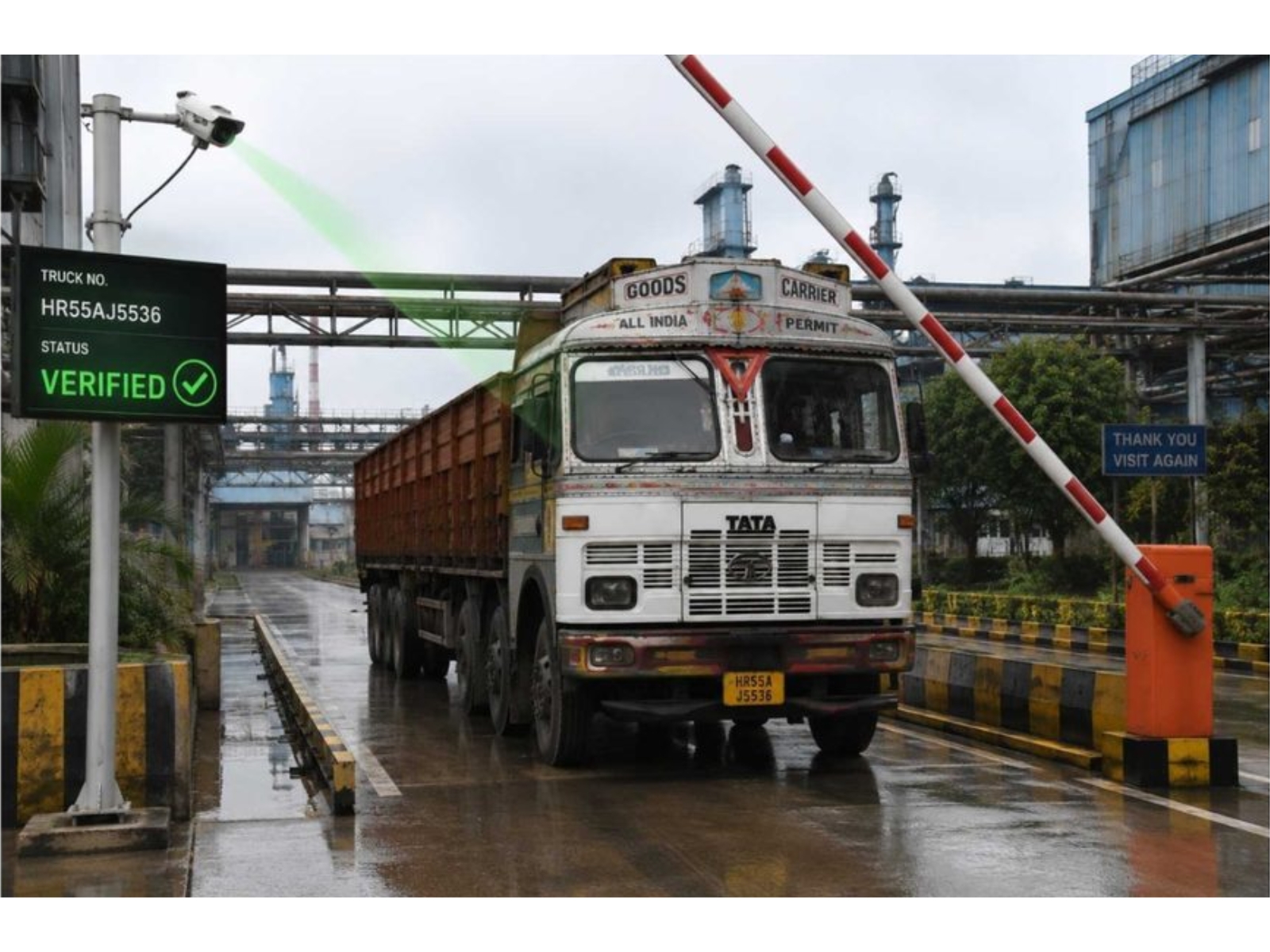
Gurugram (Haryana) [India], September 17: Helious Tech Solutions Pvt. Ltd. has brought vehicle and visitor access control for industrial plant gates into a single system. The Gate Access Control System in TAT Guard, the company’s truck logistics application, verifies every vehicle and every person before entry and keeps one timestamped record of each visit, from gate-in to gate-out.
At plants that move material by road, the gate is where a truck movement becomes a commercial record. Many still run on a guard, a paper register, and a manual barrier. The queue is the visible cost. The harder one is evidentiary: after the fact, few sites can prove which vehicle, driver, and visitors were inside, at what hour and in what order.
“A truck correctly identified at gate-in and substituted before the second weighing produces a clean-looking record for a dishonest transaction. The paperwork is perfect; the material is not,” said Sidakpreet Singh Batra, Founder and CEO of Helious Tech Solutions. “A gate that verifies the truck but not the person driving it has closed half the door. The identity established at the gate has to hold until they leave.”
What the Gate Checks for Vehicles
RFID readers on the approach lane read the vehicle’s FASTag before it reaches the barrier. The tag’s registration number and status are checked on the National Electronic Toll Collection (NETC) system, so the system flags a blacklisted or closed tag before entry. Number plate recognition confirms the plate matches the tag, the registration is checked against Vahan, and the driver’s licence against Sarathi. Each trip is matched to the purchase or sales order it claims to serve, so orderless and duplicate trips become exceptions. Cameras confirm that exactly one vehicle has crossed before the barrier closes, and gate entries automatically post back to the plant’s ERP.
What the Gate Checks for People
Secure Sight, the identity and safety layer of the Helious platform, replaces the paper visitor register with digital visitor management: registration, approval and a digital gate pass. Drivers, contractors, employees and visitors are verified through DigiLocker with their consent and recognised by face at the gate. Personal protective equipment is checked at entry, so a worker without a helmet does not get in. Any mismatch between vehicle, driver, person, or document triggers a denial, an alert, and timestamped footage. Where the gate feeds a weighbridge, the verified identity carries into TAT Guard’s AI-Unmanned Weighbridge Automation System, confirming that the truck and driver on the scale are the ones that entered.
The Model India Chose for its highways
Tag plus camera is also India’s choice for barrier-free highway tolling. Multi-Lane Free Flow (MLFF) tolling went live at the Choryasi plaza on NH-48 near Surat on 1 May 2026, using FASTag readers and ANPR cameras. At Global Fintech Fest 2026 in Mumbai on 11 September, Union Road Transport and Highways Minister Nitin Gadkari said he expects 60 to 70 per cent of the shift to MLFF to be complete by December, with barrier-free tolling nationwide targeted for February to March 2027. Electronic tolling has already cut the average time to cross a plaza to about 40 seconds from 12.23 minutes under manual collection, according to an impact assessment of the NETC programme cited in Parliament in July 2026.
“When India had to identify vehicles at highway speed, without stopping them and with money riding on every read, it chose a tag and a camera,” Batra said. “A plant gate guarding a 25-tonne consignment has at least as strong a case, and it also has to know who is coming in.”
Privacy and Deployment
DigiLocker checks require the individual’s consent, and the system can run on-premises, keeping identity records on the customer’s own servers. The people-access workflows follow the consent and notice requirements of the Digital Personal Data Protection Act, 2023, which apply in full from May 2027.
Gate automation in plants usually arrives in stages, with tags, cameras and driver checks added over several years. TAT Guard installs readers, cameras and barrier interfaces once and configures each verification layer in software. Checks can run in log-only mode alongside the existing manual register before enforcement, then be tightened gate by gate. TAT Guard is in operation at integrated steel, metals, cement and pipe manufacturing plants, and Secure Sight can be deployed as a standalone access management system.
At a glance
· System: Gate Access Control System in TAT Guard, with Secure Sight identity verification
· Vehicle checks: FASTag through NETC, number plate recognition, Vahan, Sarathi, purchase and sales orders
· People checks: DigiLocker verification with consent, facial recognition, digital gate pass, PPE at entry
· Deployment: on-premise option, log-only mode before enforcement, 99.95 per cent platform uptime
More information: www.helioustech.ai/services/tat-guard
About Helious Tech Solutions
Helious Tech Solutions Pvt. Ltd. is a DPIIT-recognised industrial AI company headquartered in Gurugram, Haryana. Its platform, powered by the Helious One agentic AI layer, runs three applications for heavy industry: TAT Guard for truck logistics, Rake Guard for rail operations, and Gen AI PPC for production planning. Secure Sight provides identity and safety intelligence across the platform.
Website: www.helioustech.ai
(ADVERTORIAL DISCLAIMER: The above press release has been provided by PNN. ANI will not be responsible in any way for the content of the same.)