Designing AI-Ready Data Centres with CFD Engineering
Jul 25, 2026
VMPL
New Delhi [India], July 25: The rapid rise of Artificial Intelligence is fundamentally transforming the global data centre industry. From generative AI platforms and large language models to autonomous systems and real-time analytics, modern AI applications demand unprecedented computational power. As organizations race to deploy AI-ready infrastructure, one critical challenge is becoming increasingly evident -- thermal management.
Rack power densities that peaked at 10 to 15 kilowatts are now reaching 80 to 120 kilowatts in GPU-dense AI clusters. A single Nvidia Blackwell Ultra rack consumes up to 140 kilowatts. According to the Uptime Institute, average rack density across data centres rose 38% between 2022 and 2024 -- with the steepest growth in AI deployments. Cooling infrastructure built for a different era is being pushed well past its design limits.
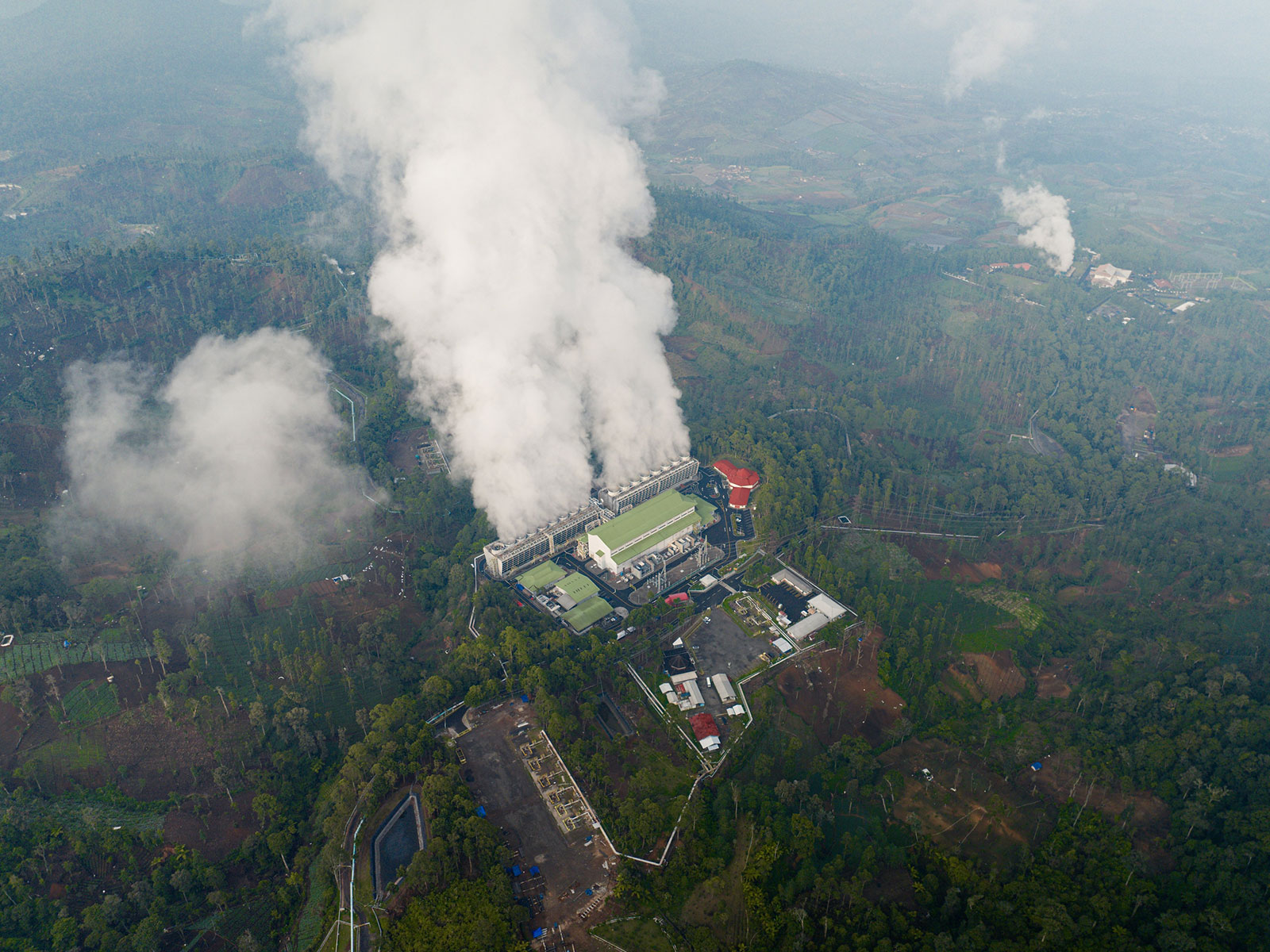
The problem is not simply that AI hardware runs hotter. It is that heat concentrates in ways conventional design never anticipated. High-end GPU nodes pack six to eight accelerators into a single chassis, generating complex airflow patterns -- recirculation, bypass air, thermal stratification -- that standard CRAC-based systems cannot reliably manage. Hotspots appear where models predicted none. PUE climbs. In some cases, thermal events force hardware derating, a direct and often unplanned operational cost.
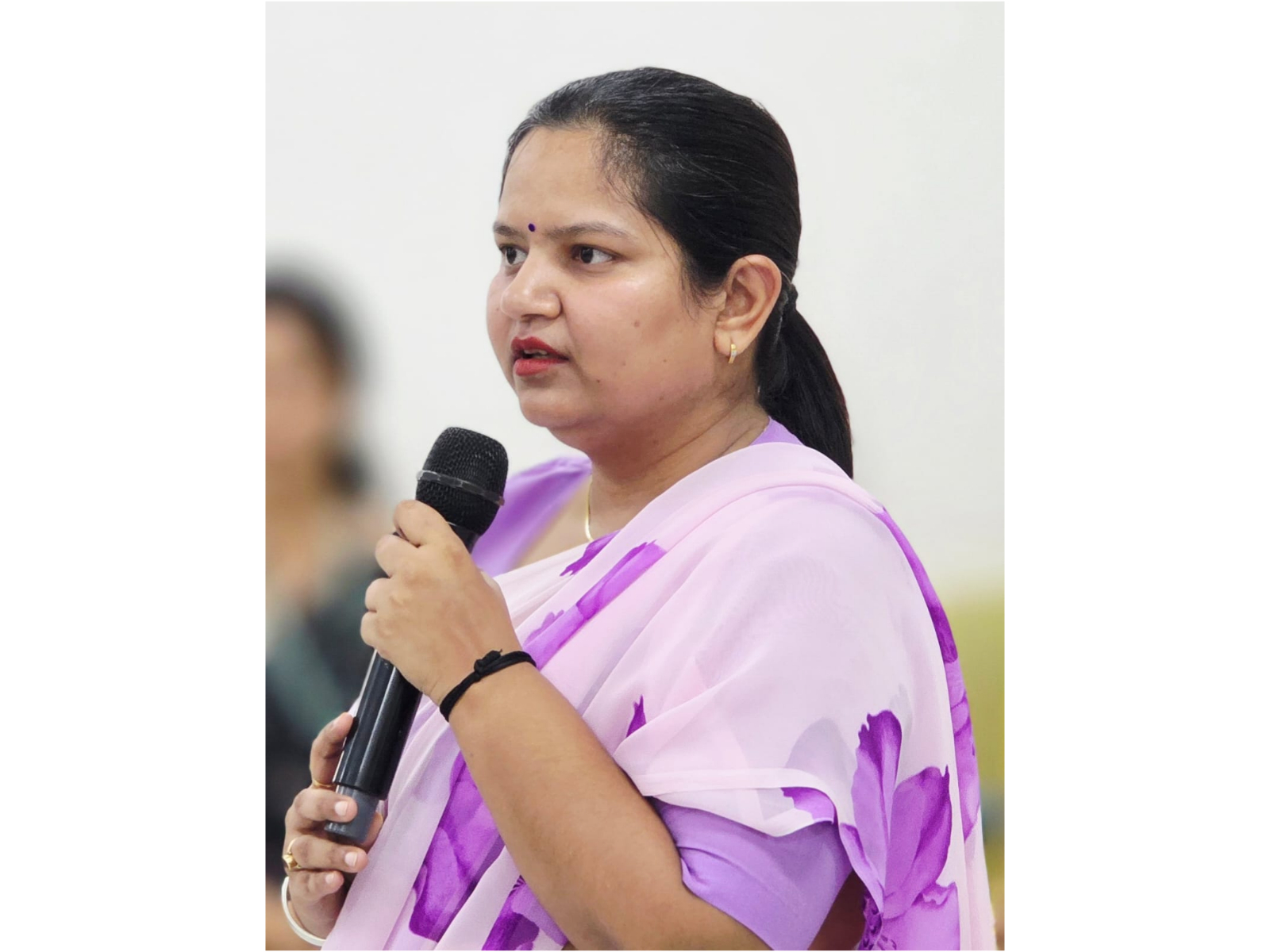
This is where Computational Fluid Dynamics simulation is becoming essential. CFD allows engineers to model airflow, temperature distribution, and cooling performance inside a virtual facility before deployment -- capturing the non-linear thermal interactions that only appear at high density. The founder of GVPL, Rajesh Wagh says - "Research on CFD-optimized configurations has demonstrated a 5°C reduction in server inlet temperatures and a 17% decrease in thermal variation. In one recent engagement, we applied CFD-led optimization for a Tier II/III data centre operator and reduced PUE from 1.5 to 1.2 -- a 20% improvement in cooling efficiency without changes to IT load."
Liquid cooling now accounts for 46% of new AI data centre builds -- and that share is rising fast. The facilities being designed today will carry AI workloads for the next decade. Simulation-led engineering is not a premium option. It is the practical alternative to building infrastructure that fails under the loads it was purchased to support.
For more information Visit - https://www.gvpltechnologies.com/contact
(ADVERTORIAL DISCLAIMER: The above press release has been provided by VMPL. ANI will not be responsible in any way for the content of the same.)