Beyond the Holy Dip: What to Explore In and Around Haridwar During Kumbh 2027
Nov 18, 2026
VMPL
New Delhi [India], November 18: Most people come to the Haridwar Kumbh 2027 for the dip at Har Ki Pauri. That’s the heart of the trip. But the dip takes a few minutes, and you’ll be in town for days, so it helps to know what else is close by. Rajaji National Park starts at the edge of town, Rishikesh is under an hour away, and the old town is full of temples and food worth slowing down for.
If you’re still working out the basics, BizareXpedition’s Haridwar Kumbh Mela travel guide covers important dates and snan days. This Haridwar itinerary is about everything around it.
What Is the Kumbh Mela and Why Haridwar?
The Kumbh Mela is a Hindu pilgrimage where people bathe in a sacred river to wash away their sins and move closer to moksha, or liberation. UNESCO put it on its list of the Intangible Cultural Heritage of Humanity in 2017.
The story goes back to the Samudra Manthan, the churning of the cosmic ocean. A pot (kumbh) of nectar (amrit) came up out of the water; the gods and demons fought over it, and four drops fell to earth. Those four places take turns hosting the Kumbh. They’re Haridwar, Prayagraj, Ujjain and Nashik.
Haridwar means “Gateway to God”. It’s where the Ganga leaves the Himalayas and reaches the plains. The centre of the Mela is Har Ki Pauri, and inside it is Brahma Kund, where the drop of amrit is believed to have landed. A dip here during the Kumbh is about as auspicious as it gets.
Kumbh or Ardh Kumbh?
Going by the traditional calendar, 2027 is Haridwar’s Ardh Kumbh, the “half” Kumbh that comes around six years after a full one. The Uttarakhand government is preparing for it at full Kumbh scale anyway, and most people just call it the Haridwar Kumbh 2027. Call it what you like. But there is one thing for sure: it’s going to be huge.
Kumbh by the Numbers Stats
The Haridwar Kumbh Mela 2027 will run from January to April 2027, with an expected footfall of 17 to 20 crore pilgrims. The main bathing site is Har Ki Pauri (Brahma Kund) in Haridwar, and the principal Amrit Snan days are Maha Shivratri and Mesh Sankranti/Baisakhi, falling between March and April 2027.
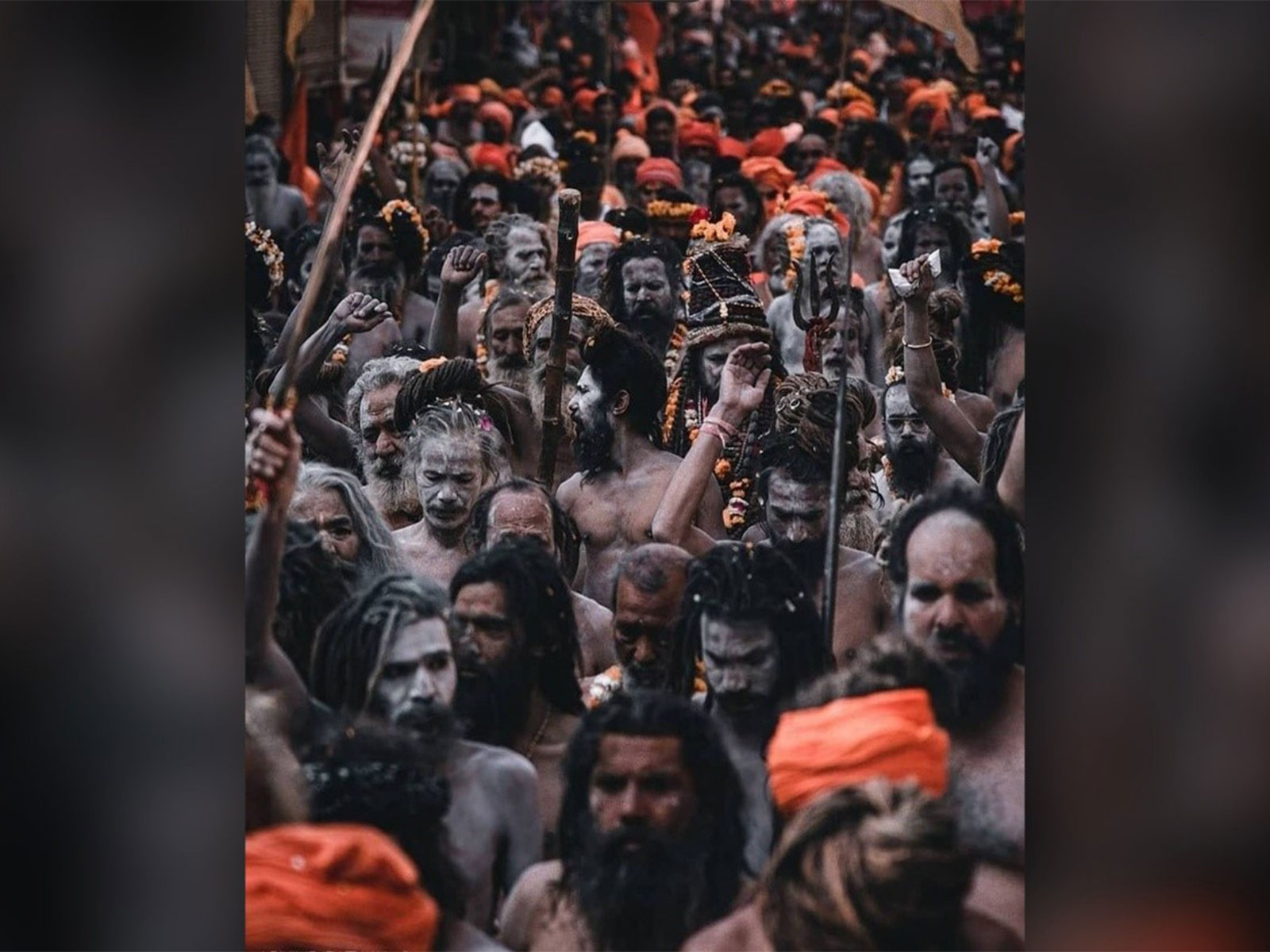
The scale of the event has strong precedent. The Prayagraj Maha Kumbh 2025 drew over 66 crore devotees in 45 days, while the Haridwar Kumbh in 2010 welcomed about 8 crore pilgrims between January and April. The biggest single day of the 2010 Haridwar Kumbh saw about 1.6 crore bathers at the Shahi Snan on 14 April. The Kumbh Mela, which rotates across Haridwar, Prayagraj, Ujjain and Nashik, was recognized by UNESCO as an Intangible Cultural Heritage of Humanity in 2017.
Plan Around Your Snan Day
Pick your snan day first and build the rest around it. On Amrit Snan days, roads shut, and cars get stopped kilometres out of town, so give that day to the river and nothing else. Keep the day before and after for walks inside Haridwar, and save day trips for ordinary weekdays. Two days cover the dip and the evening aarti. Four or five days let you see the region properly. Book safaris, rafting, and drivers early, because they fill up fast during the Mela. If you want a pre-planned Haridwar Kumbh Mela itinerary by experts, then BizareXpedition is your one-stop destination.
Haridwar Kumbh Mela 2027: Holy Bathing Dates
Millions of devotees will gather on the banks of the Ganga for the Haridwar Kumbh Mela 2027. Major snan dates include Makar Sankranti (Jan 14), Mauni Amavasya (Feb 6), Basant Panchami (Feb 11), and Magh Purnima (Feb 20). The sacred Amrit Snan (Shahi Snan) will take place on March 6, March 8, April 14, and April 20, with Nav Samvatsar (April 7) and Ram Navami (April 15) also observed during the Mela.
How to Reach Haridwar?
BizareXpedition expert-curated Kumbh Mela Tours provide end-to-end logistical support at your beck and call. This includes transportation too. However, the itinerary starts once you reach Haridwar. You can choose among these for travel;
1) By road from Delhi. It’s about 220 km and usually takes 5 to 6 hours. A private cab is the easiest option during the Mela, since a local driver will know the diversions and parking zones. You can book a Delhi to Haridwar taxi for the trip up and a Haridwar to Delhi taxi for the way back.
2) By train. Haridwar Junction has direct trains from Delhi and most big cities, and the fastest ones from New Delhi take around 4 to 5 hours. Reservations open 60 days ahead and sell out quickly for snan dates. In January, fog often delays morning trains, so don’t plan anything tight on arrival day.
3) By air. The nearest airport is Jolly Grant in Dehradun, about 35 km away, roughly an hour by road. Pre-book your cab, as the taxi queue gets long on peak days.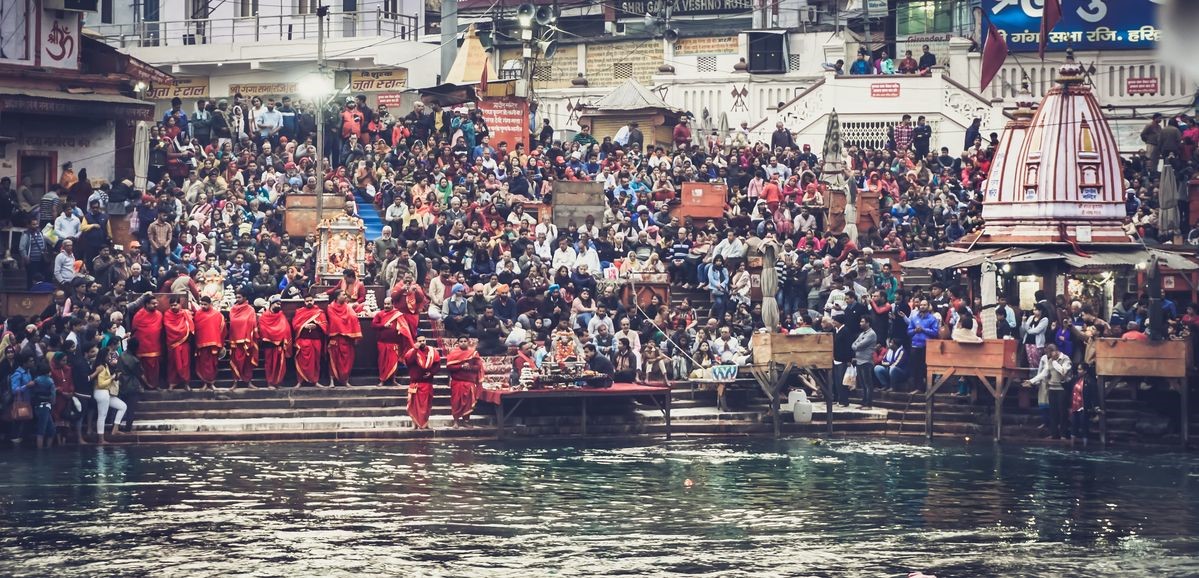
Haridwar Beyond the Ghats
Kankhal is the oldest part of Haridwar, about 4 km south of Har Ki Pauri. Legend says King Daksha held his yagna here, the one that ended with Sati giving up her life, and the Daksha Mahadev Temple stands on that spot. The lanes around it have old havelis with faded wall paintings. Go early, before the e-rickshaws start crowding.
The Maya Devi Temple is one of the town’s oldest and a Shakti Peeth. Most pilgrims pair it with Mansa Devi and Chandi Devi, the two hilltop temples you reach by ropeway. Bharat Mata Mandir is an eight-storey temple to Mother India with a lift, so it’s easy for older visitors. If you’d like someone to handle the queues and transport, our Haridwar temple darshan tour covers the main temples in one go.
Walk along the Upper Ganga Canal near Bhimgoda too. It opened in 1854, and Har Ki Pauri actually sits on one of its channels, which surprises most people.
Trace Your Family Tree
If you do one thing beyond the dip, make it this. Haridwar’s pandas (hereditary priests) have kept handwritten family registers called bahis for centuries, sorted by district and community. Give them your family name and ancestral village, and they can often find entries made by your grandfather or great-grandfather. People go very quiet reading those pages. Ask in the lanes near Har Ki Pauri and Kushavarta Ghat.
Eat Like a Local
Haridwar is vegetarian and alcohol-free, and the street food more than makes up for it. Breakfast is the big meal. Head to the lanes around Moti Bazaar for hot kachori with aloo sabzi, or puri with a sweet-sour pumpkin sabzi, eaten standing up off leaf plates. Later, try rabri or a lassi in a clay cup. After the evening aarti, get a glass of strong chai and some pakoras near the ghats. Stick to busy stalls where food is cooked fresh, and drink sealed water.
Wildlife and Birds
Rajaji National Park covers around 820 square kilometres of sal forest and Shivalik foothills, and its Chilla range is only about 10 km from town. People come mainly for the wild elephants, often seen crossing the dry riverbeds in family groups. The park usually opens in mid-November, so it’ll be open right through the Kumbh. Book the first morning safari through the Uttarakhand Forest Department, and bring a warm jacket, since open jeeps in January at dawn are freezing.
In winter, migratory birds settle on the Ganga. Neel Dhara Pakshi Vihar, near the Bhimgoda barrage, is a few minutes from Har Ki Pauri. Go early with binoculars and look for ruddy shelducks and bar-headed geese.
Rishikesh for a Day (or Two)
Rishikesh is about 25 km upstream and feels calmer. Rafting is the big draw. The 16 km run from Shivpuri suits most beginners, and the water’s warmer in March and April. Our Rishikesh river rafting package includes a licensed operator, gear, and transfers. Only ever raft with a registered operator.
After that, walk across Ram Jhula, look around the mural-covered Beatles Ashram, and stay for the evening aarti at Triveni Ghat or Parmarth Niketan. If the International Yoga Festival is in March, it’s worth a visit.
A Few Practical Tips
Check the Mela traffic advisories every morning, as plans change often around snan days. Inside the old town, walking or an e-rickshaw is quicker than any car. Carry ID everywhere, since checkpoints, safari gates and hotels all ask for it. Keep some cash, because mobile networks jam on busy days and UPI can fail. Pack layers, as January mornings are near freezing and April afternoons pass 30°C. And before you head into any crowd, agree on a meeting point with your group.
If you’re travelling with older family members, skip the dawn safari and rafting. A slow morning in Kankhal, Bharat Mata Mandir, and a quiet evening aarti in Rishikesh work much better.
BizareXpedition™ is a private travel company based in Haridwar, planning Char Dham yatras and tailor-made journeys across the Himalayas since 2014. Plan your Kumbh 2027 trip at Bizarexpedition.com
(ADVERTORIAL DISCLAIMER: The above press release has been provided by VMPL. ANI will not be responsible in any way for the content of the same.)